
Why do exchange rates sometimes move in the opposite direction to what economic headlines suggest?
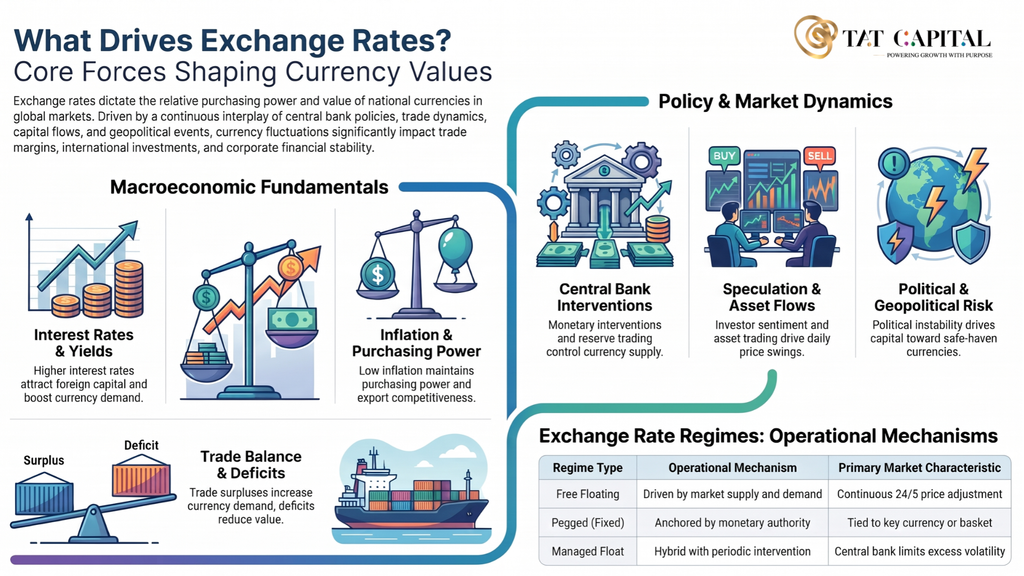
Currency movements are influenced by far more than interest rates and economic data. Inflation, trade balances, commodity prices, geopolitical developments, capital flows, government intervention and market sentiment all play a role.
But perhaps the most important driver is market expectations – because currencies often react not just to what is happening today, but to what investors believe will happen tomorrow. For businesses involved in international trade and cross-border payments, understanding these dynamics is essential. Exchange rate fluctuations can directly impact payment costs, cash flows, budgets and profit margins.
Understanding the forces behind currency movements is the first step towards making more informed FX decisions.